
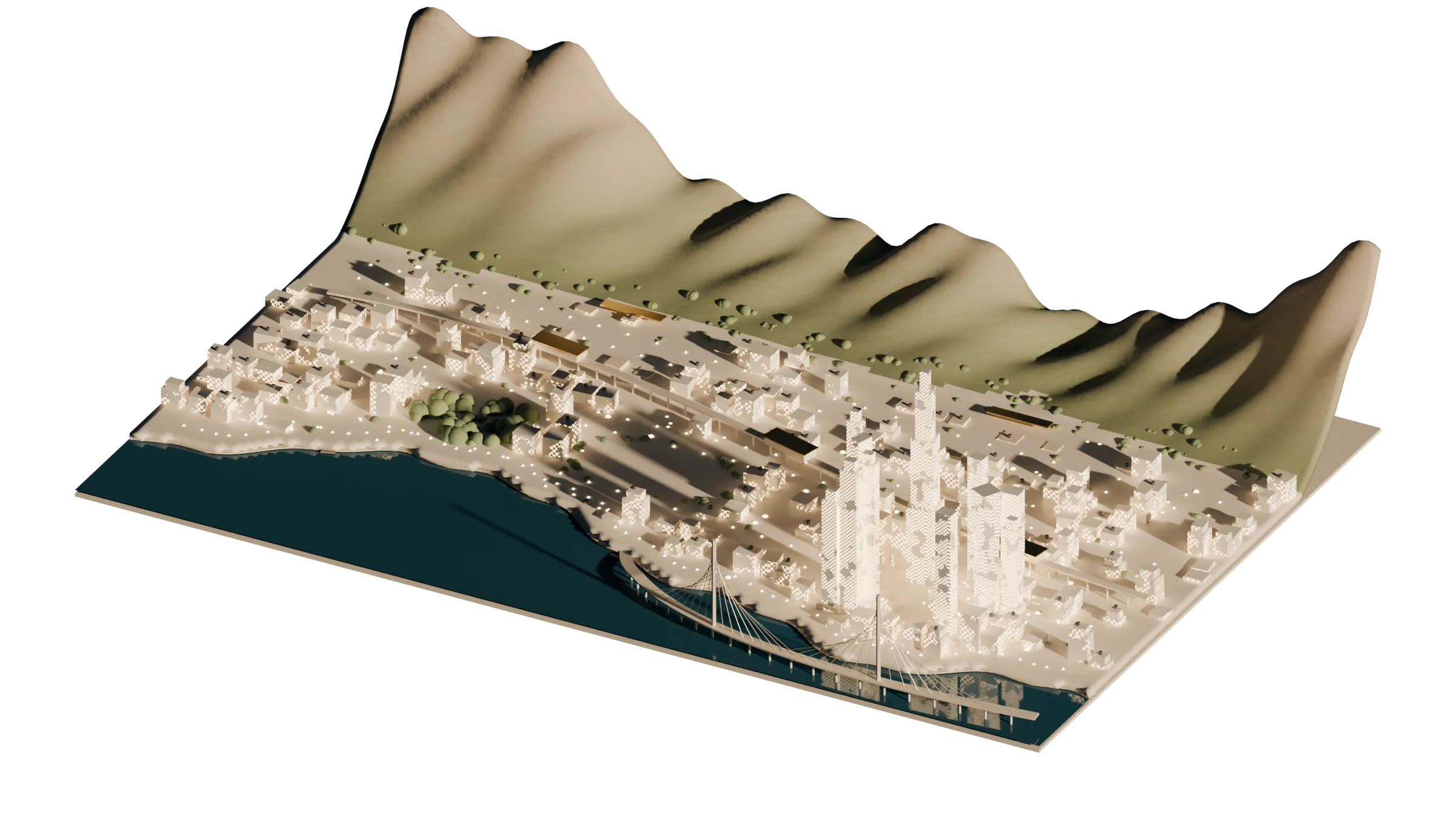

What a listing never tells you
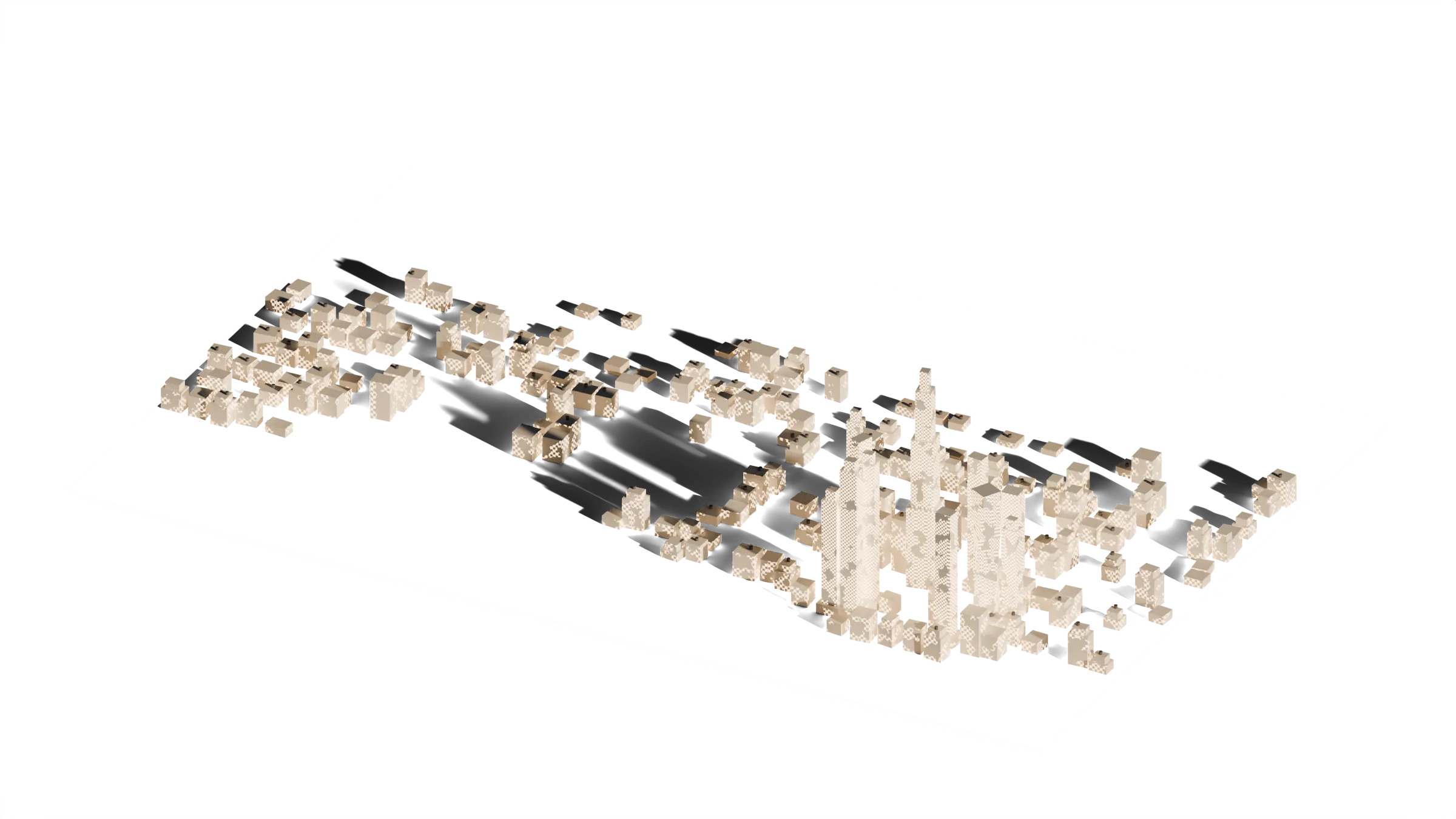
Close, and walkable.
What you need, and a way to walk to it.
Shade, and higher ground.
Trees in May. Ground that sits above the water.
Lively, not loud.
Awake till late. Quiet at your window.
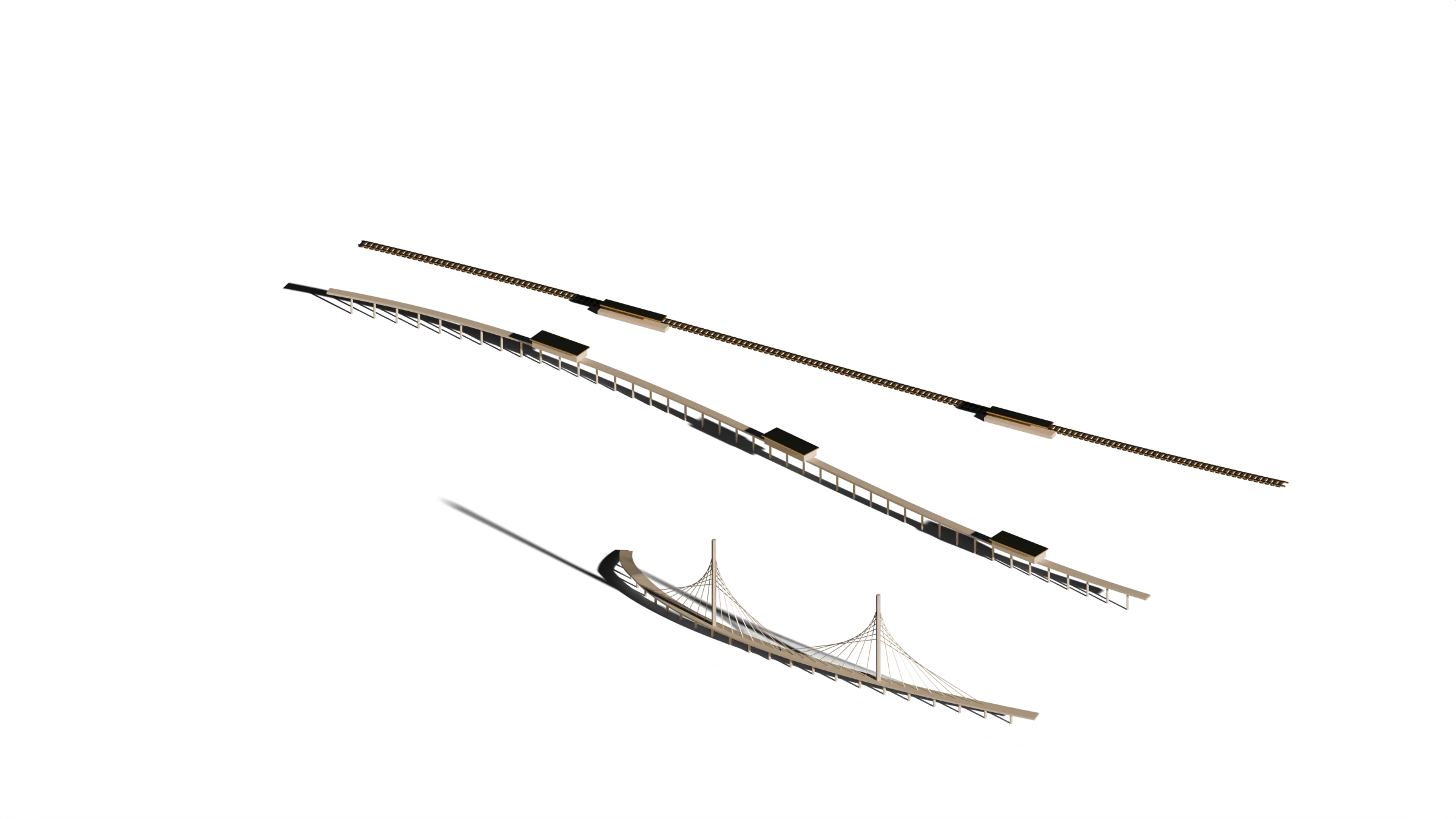
Near work, not the tracks.
A short ride at nine. A calm gate.
What it reads
- What a day needs
- The errands, the cafés and restaurants, the gym, the parks, and the places locals keep going back to. A place has to be well regarded to count; a pharmacy counts either way.
- Getting around
- The walk to the nearest station that is actually open, and never a bus stop mistaken for rail. The drive to the city's real places of work at the morning peak, across the kinds of work a city has. The airport, on a line of its own.
- Calm
- Lively is not the same as loud. A bar next door, a main road outside, the railway, a hospital next door, aircraft on a flight path and the shift change at a workplace gate all count against a quiet night.
- Green and air
- Tree cover and open space within reach, and the air over a whole year, never one day's reading.
- The ground
- Whether the ground a home stands on sits low.
- Next door
- What a home would live beside, named with its evidence: the railway, a main road and how big it is, a factory, a waste site, a flight path.
How it reads
Measured, not drawn.
For a home, every walk is measured along the real streets, not drawn as a straight line on a map, and every drive is timed at the hour people actually travel.
The lane at the door.
Share a home's location and it is read at its own point, not as its neighbourhood's average: the corner it sits on, the road outside, what is next door.
One scale, every city.
Each neighbourhood is read against its own city and against the other cities we cover, so a strong read means the same in Pune as in Mumbai, while home prices are weighed within each city.
Absent is absent.
Where something has not been measured, the read says so. It never fills a gap with a guess.
Kept current.
The city is collected again through the year, and a home's surroundings are read fresh after a month.
From a city to a verdict
The home is read from its photographs. The city model reads two things around it: the neighbourhood, and the lane at the door. HabitatSignal brings them together into one word a person can act on, worth visiting, maybe, or probably skip, with the reasons beside it, the same read on the web and on WhatsApp today, and planned for the assistants people already use and for other products through the API.
Seven cities, one scale
A few of the neighbourhoods it reads, in a line each:
Mumbai
Bandra West. Old Portuguese lanes and the sea promenade, with the city's newest money beside them.
Powai. A planned neighbourhood built around Powai Lake.
Navi Mumbai
Seawoods. Grown around its railway station, with a mall on top of it.
Kharghar. Planned as Navi Mumbai's college town.
Bengaluru
Indiranagar. Where Bengaluru goes out, on the metro.
Whitefield. An IT suburb that grew into a town of its own.
Hyderabad
Jubilee Hills. Hyderabad's old-money hills.
Gachibowli. Hyderabad's financial and IT district.
Delhi NCR
Golf Course Road. High-rise condominiums along the golf course, with the clubs to match.
Noida Sector 62. Noida's first IT district: office parks, institutes and older housing societies.
Pune
Koregaon Park. Pune's leafy old quarter.
Baner. A fast-growing suburb on the Hinjewadi side, full of IT households.
Chennai
Adyar. Old residential Chennai, between the river and the sea.
Velachery. A fast-grown suburb at the edge of the IT corridor.
Covering Mumbai, Navi Mumbai, Bengaluru, Hyderabad, Delhi NCR, Pune and Chennai, as of October 2026.
Where it is used
Every verdict HabitatSignal gives stands on it.
Used in HabitatSignal, our first product.